
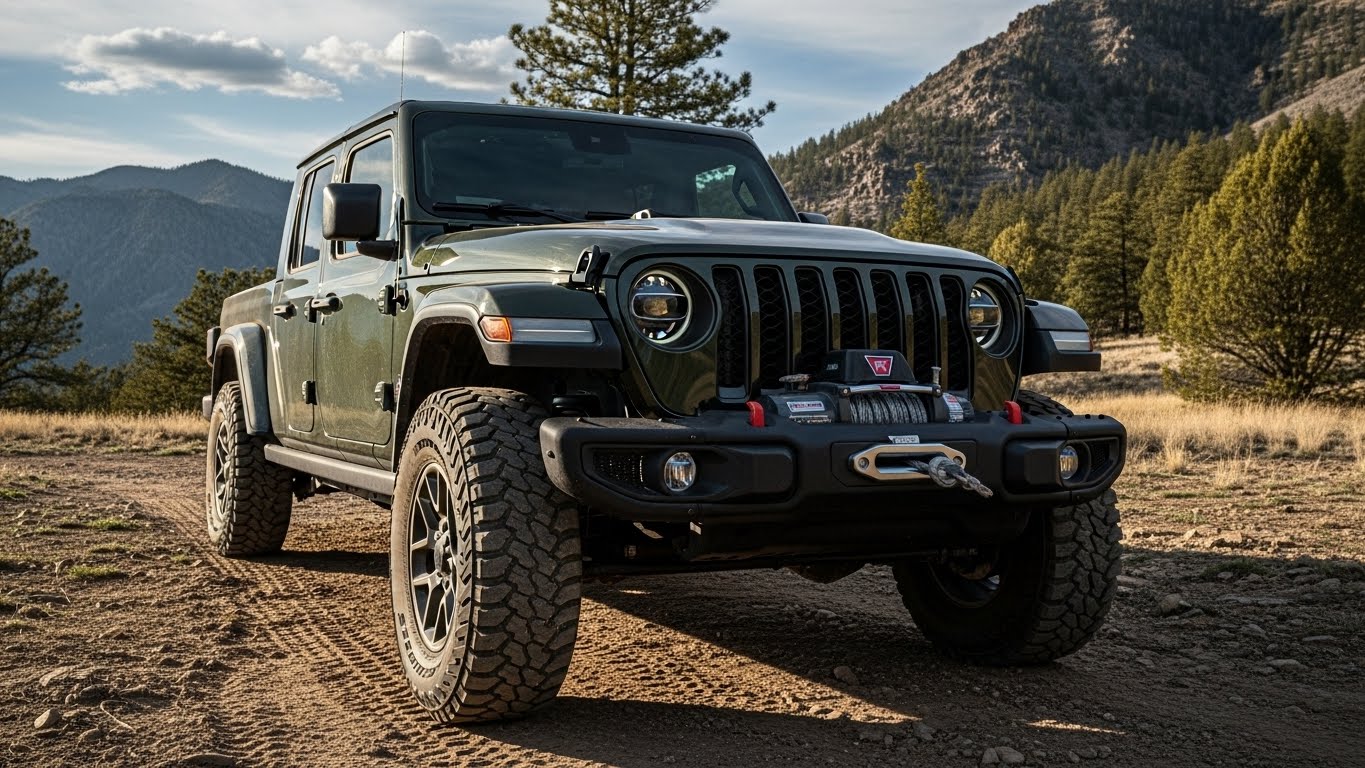
Choosing the best winch for Jeep Gladiator isn’t some calm, logical process like people pretend, it’s more like you thinking about mud, weight, angles, and that one time you almost didn’t get out. You want pulling power that doesn’t flinch, wiring that doesn’t act weird in rain, and a setup that fits the Gladiator frame without making you curse for two hours straight. This isn’t about shiny specs on a box, it’s about trust when the tires stop cooperating and gravity starts acting rude. After looking at real-world use, load ratings, failure complaints, and how these things behave when abused a little, one winch clearly rises above the noise.
The OPENROAD 12000 lbs Winch comes out as the best option for the Jeep Gladiator because it balances serious pulling strength, reliable waterproofing, and consistent performance without unnecessary gimmicks. It feels built for people who actually get stuck, not just those who like the look of a winch bolted on.
Best 5 Winches for Jeep Gladiator
01. OPENROAD 12000 lbs Winch

OPENROAD 12000 lbs Winch is built for drivers who want dependable recovery power without overspending on branding. With a 12,000-pound load rating and synthetic rope, this winch works well for trucks, Jeeps, SUVs, and off-road builds that see mud, sand, or uneven terrain. The wireless remote adds convenience when you need distance during recovery, and the overall housing feels solid enough for repeated use without feeling bulky on the bumper.
Performance is steady rather than flashy, which is usually what you want in recovery gear. Line speed is reasonable under load, and the synthetic cable is easier on hands compared to steel wire. It’s a practical option for trail use, overlanding, and emergency pulls, though it’s not meant for extreme industrial recovery scenarios.
Pros
- 12,000 lb pulling capacity suits most off-road vehicles
- Synthetic rope is lighter and safer than steel cable
- Wireless remote improves control during recovery
- Compact design fits aftermarket bumpers
Cons
- Not designed for heavy commercial recovery
- Wireless remote range could be better
- Instructions are basic
02. VEVOR 13500 lbs Electric Winch

VEVOR 13500 lbs Electric Winch leans more toward high-capacity recovery for heavier trucks and full-size SUVs. With a 13,500-pound rating, it’s suitable for lifted rigs, overland builds, and vehicles loaded with gear. The waterproof housing and sealed motor make it usable in wet, muddy, or snowy conditions where recovery situations usually get messy.
This winch delivers strong pulling power but does require proper wiring and a healthy battery setup to perform at its best. It’s often chosen for utility use, trail recovery, and farm or work vehicles where reliability matters more than compact size.
Pros
- High 13,500 lb load capacity
- Weather-resistant housing for rough conditions
- Suitable for trucks, SUVs, and utility vehicles
- Good balance between price and pulling power
Cons
- Heavier unit compared to smaller winches
- Installation can take time
- Draws significant power under load
03. XYCLE13500lbs12V Electric Winch
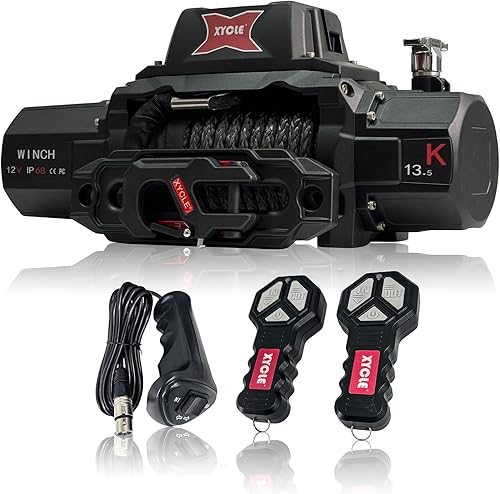
XYCLE 13500lbs 12V Electric Winch is aimed at serious off-road users who want strength plus durability. Rated at 13,500 pounds and featuring IP68 waterproofing, this winch is designed to handle water crossings, thick mud, and unpredictable trail conditions. The synthetic rope keeps overall weight down while still supporting demanding recovery tasks.
The dual wireless remote setup adds flexibility, especially when positioning matters during tricky recoveries. It’s a solid fit for Jeeps, lifted trucks, and off-road SUVs that see regular trail use rather than occasional emergencies.
Pros
- 13,500 lb capacity for heavy vehicles
- IP68 waterproof rating
- Dual wireless remotes included
- Synthetic rope reduces front-end weight
Cons
- Control box placement can be awkward
- Larger footprint than entry-level winches
- Instructions could be clearer
04. OPENROAD 13500 lb Recovery Winch

OPENROAD 13500 lb Recovery Winch steps things up from the 12,000-lb version with extra pulling strength for heavier rigs. Built with synthetic rope and a sealed motor, this winch fits well on off-road bumpers designed for full-size trucks and overland vehicles. It’s commonly used for trail recovery, self-rescue, and vehicle extraction when terrain gets unpredictable.
The wireless remote works smoothly, and the winch maintains steady torque under load. While it’s not built for nonstop industrial use, it handles repeated off-road recoveries without feeling fragile or overstressed.
Pros
- Strong 13,500 lb pulling capacity
- Synthetic rope improves safety and handling
- Wireless remote included
- Good option for loaded trucks and SUVs
Cons
- Slightly slower line speed under heavy load
- Requires solid electrical setup
- Mounting hardware quality varies
05. X-BULL Winch-13500 lb. Load Capacity Electric Winch

X-BULL 13500 lb Load Capacity Electric Winch is popular among off-road enthusiasts who want high pulling power with rugged construction. Rated at 13,500 pounds, it’s suitable for Jeeps, trucks, and SUVs running larger tires or carrying extra weight. The synthetic rope and waterproof design help it perform in rain, mud, and snow without constant worry.
This winch is often used for trail recovery, overlanding, and recreational off-roading rather than worksite use. It offers reliable pulling force and decent durability, making it a practical recovery tool for drivers who actually leave pavement behind.
Pros
- 13,500 lb capacity for demanding recoveries
- Waterproof build handles harsh environments
- Synthetic rope is safer and lighter
- Works well for off-road and overland setups
Cons
- Control box wiring can be tight
- Finish may show wear over time
- Not designed for industrial recovery use
How to find the Best Winches for Jeep Gladiator
You sit there staring at your Jeep Gladiator, hood dusty, coffee gone cold, browser tabs open like a bad habit. You want a winch, but not the wrong one, not the one that looks fine and then cries when mud grabs your tires. You tell yourself this is simple, then suddenly torque ratings feel emotional, like they judging you.
The Jeep Gladiator winch hunt never starts clean. It starts with half thoughts. Someone once told you a rule about weight times 1.5, or was it 2. You nod, pretend you remember. Then your brain drifts to that one trail where your buddy’s Jeep got stuck sideways, cable whining, silence loud. Yeah, that moment sticks.
Let’s talk it out. Messy, honest, no shiny wrap.
Weight
Your Jeep Gladiator curb weight sits roughly between 4,650 and 5,100 pounds depending trim, steel bumpers, and all the stuff you swear you need. Most off road recovery math circles around pulling power at 1.5 times vehicle weight. That lands you near 8,000 pounds, but that number alone lies a little.
Real data from off road recovery studies show that mud, incline, and suction can increase required pull force by 30 to 100 percent. Yeah, not joking. Sand is forgiving, clay is not your friend. That’s why most Jeep Gladiator owners end up in the 9,500 lb to 12,000 lb winch range, even if it feels like overkill today.
You don’t regret extra power later. You regret not having it when your truck is sideways and your playlist keeps playing.
Steel cable or synthetic rope
At first you think steel is tough, old school, reliable. It weighs more, sure, but heavy feels safe in your head. Then you read about steel cable storing energy like a coiled mood swing when it snaps. That image stays.
Synthetic rope enters the chat. Lighter, floats on water, safer recoil behavior. Data from off road safety groups show synthetic rope reduces snapback injuries significantly compared to steel. The downside. UV damage, abrasion, and yeah it costs more.
Most Jeep Gladiator trail rigs lean synthetic now. Less front end weight, better handling, less stress on your suspension. You still worry about durability, but that’s maintenance talking, not fear.
Mounting reality check before you click buy
You almost forget this part, then remember too late. Jeep Gladiator winch mounting is not universal magic. The factory plastic bumper will not hold a winch safely. Period. You need a steel bumper or a winch plate rated for recovery loads.
Frame mounted systems matter. A lot. Recovery force transfers straight into the frame rails. Some aftermarket bumpers are cosmetic first, strength second, which feels wrong when you’re stuck in a wash at dusk.
You also check airflow. The Jeep Gladiator cooling system does not enjoy blocked airflow. Real world data from trail forums show overheating complaints when winches block grille openings without proper spacing. Little things become big later.
Electrical draw
Winches are power hungry in an honest way. A 12,000 lb winch can pull over 400 amps at full load. That’s not theoretical. That’s battery stress.
Your stock Jeep Gladiator alternator handles normal loads fine, but repeated winching sessions drain batteries fast. Many off roaders upgrade to AGM batteries or dual battery setups. Studies on recovery operations show voltage drop under heavy load reduces winch efficiency, making pulls slower and hotter.
Heat kills winches quietly. You don’t notice until it smells weird.
Line speed
You think pulling power is everything, then you wait ten minutes for a slow winch line crawl. Line speed matters for sanity.
Faster line speed under load usually means better gearing and stronger motors. Specs don’t always reflect real use though. Reviews and field tests show some mid range winches outperform higher rated ones in sustained pulls due to thermal management.
You learn to value consistency over brag numbers.
Weather sealing
Mud, rain, snow, salty roads. The Jeep Gladiator sees all of it. IP ratings matter. Properly sealed solenoids and motors last longer, period.
Water intrusion is the top failure reason in winch teardown reports. Not abuse. Water. Sealed contactors outperform exposed solenoids in long term data by a wide margin.
You start reading IP numbers like they’re weather forecasts.
Control systems
Wired remotes are reliable, boring, fine. Wireless remotes feel like cheating in a good way. Standing clear of the line while controlling the pull matters for safety.
Modern winches often include both. Redundancy feels comforting when electronics act strange, which they do sometimes.
Brand loyalty
You hear names tossed around on trails. Some brands earn trust through years of abuse, others through marketing. Real world failure rate discussions show mid priced winches performing close to premium units when maintained well.
Maintenance matters more than logos. Grease, inspection, re spooling under load. Boring stuff. Necessary stuff.
How you actually decide, after all this noise
You look at your Jeep Gladiator build, not someone else’s. You think about where you drive, how often you get stuck, and whether help is nearby. You choose a winch rated between 9,500 and 12,000 lbs, synthetic rope if weight matters, sealed electronics, frame mounted compatibility.
Then you pause. You realize this winch is not for hero moments. It’s insurance. Quiet confidence bolted to steel.
You finish your coffee, cold now, and feel oddly settled. The right Jeep Gladiator winch doesn’t shout. It waits.
