
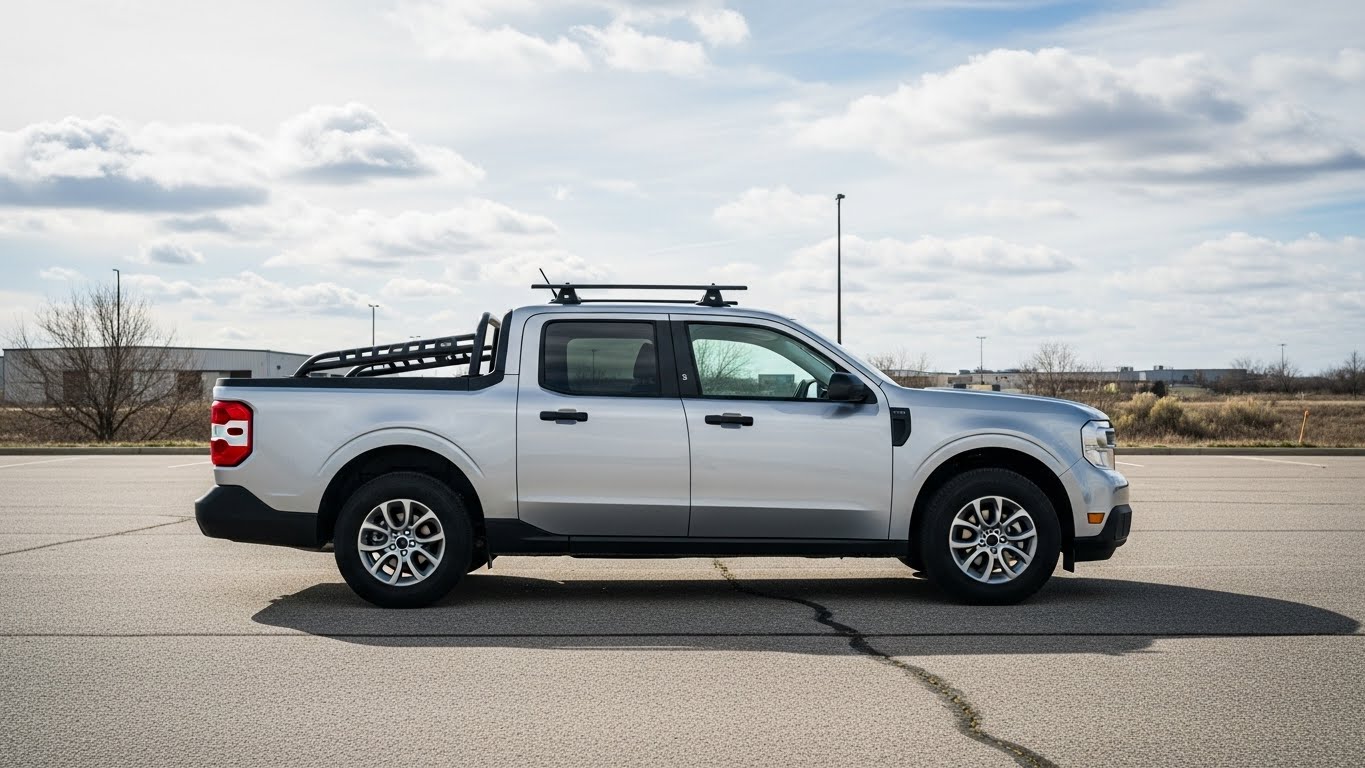
Buying roof rack cross bars for Ford Maverick sounds simple until you’re staring at weight limits, wind noise complaints, and fitment notes that contradict each other. You want bars that don’t flex when you load gear, don’t whistle on the highway, and don’t make the truck look awkward from the side, which happens more than people admit. The Maverick sits in that odd middle ground—part pickup, part daily commuter—so the cross bars have to handle real cargo without turning every drive into a vibration test. After filtering through load ratings, mounting systems, and long-term user feedback, one option clearly comes out ahead for strength, clean fit, and reliability over time: the Generic Roof Rack Cross Bars. It just works, without drama, which is honestly the whole point.
Best 5 Roof Rack Cross Bars for Ford Maverick
01. Generic Roof Rack Cross Bars

These Generic Roof Rack Cross Bars are built for everyday hauling when you don’t want to overthink it. Made from aluminum alloy, they’re meant to handle common rooftop cargo like cargo boxes, kayak racks, bike carriers, and even a small roof basket. The low-profile shape helps keep wind noise somewhat under control, though you’ll still hear it at highway speeds. They’re designed to mount onto factory raised side rails, so compatibility matters a lot here—measure first, don’t guess. For road trips, camping runs, or moving bulky gear, these crossbars do the basic job without fancy extras.
Installation is fairly straightforward and doesn’t require drilling, which most people appreciate. The locking mechanism adds a bit of theft resistance, though it’s more of a deterrent than serious security. Weight capacity is decent for the price range, making these a common pick for budget roof rack setups. They won’t feel premium like name-brand crossbars, but for occasional use on SUVs or crossovers, they hold up fine if you stay within load limits and tighten everything properly.
Pros
- Aluminum construction keeps overall weight low
- Works with cargo boxes, kayaks, bikes, and roof baskets
- Tool-free mounting on raised side rails
- Locking feature included
- Budget-friendly option for rooftop cargo systems
Cons
- Fitment is vehicle-specific and not universal
- Wind noise noticeable at higher speeds
- Lock quality feels basic
- Not ideal for very heavy or constant commercial use
02. Hawkstone Group Aluminum Alloy Lockable Crossbar

The Hawkstone Group Aluminum Alloy Lockable Crossbar is built for drivers who need a solid roof rack cross bar system without getting into bulky or overbuilt hardware. Designed to fit Ford Maverick 2022–2024, these aluminum alloy crossbars sit clean on the factory roof rails and keep wind noise fairly controlled at highway speeds. The lockable design adds a layer of theft resistance, which matters when you’re hauling a cargo box, kayak rack, bike carrier, ski rack, or rooftop basket on daily drives or weekend runs.
Load handling feels stable for common rooftop gear, and the aluminum construction helps keep overall vehicle weight down. Installation is mostly straightforward if you’ve worked with OEM-style cross bars before, though first-time installs may take a bit of patience. These bars make sense for light to medium cargo needs, road trips, and utility use without pushing into heavy-duty off-road territory.
Pros
- Aluminum alloy build keeps weight low while staying rigid
- Lockable crossbar setup helps reduce theft risk
- Vehicle-specific fit for Ford Maverick 2022, 2023, and 2024
- Works with common roof rack accessories and carriers
- Sleek profile compared to steel roof rack systems
Cons
- Not intended for extreme rooftop loads
- Initial install can feel a bit tight for beginners
- Limited color or style options
- Locks are functional but not high-end security grade
03. TINIANHHCT Black Crossbars
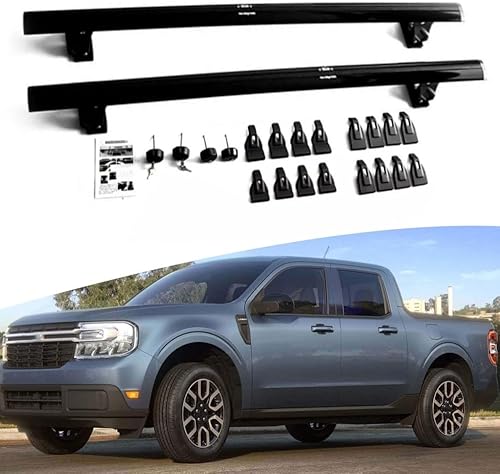
The TINIANHHCT Black Crossbars are built for Ford Maverick 2022–2025 models, giving you a practical roof rack cross bar setup without overcomplicating things. These adjustable aluminum cross bars clamp directly onto the factory side rails, making them a solid option for hauling a roof cargo box, kayak carrier, bike rack, or even a small rooftop basket. The low-profile black finish fits the Maverick’s truck styling pretty clean, and the spacing flexibility helps when you’re switching between gear types.
On the road, these crossbars stay fairly quiet at highway speeds when installed correctly, though wind noise can show up once you start stacking bulky cargo. Load capacity is fine for everyday outdoor gear, camping equipment, or weekend hauling, but they’re not meant for extreme overloading. For Maverick owners who want a budget-friendly alternative to OEM roof racks, this setup checks most of the practical boxes without getting fancy.
Pros
- Designed specifically for Ford Maverick 2022, 2023, 2024, and 2025
- Adjustable crossbar width works with cargo boxes, bikes, and kayaks
- Lightweight aluminum construction with corrosion resistance
- Clamp-on installation, no drilling into the roof
- Black finish matches most factory trim and accessories
Cons
- Wind noise may increase with larger rooftop cargo
- Not ideal for very heavy commercial loads
- Instructions can feel a bit vague for first-time installs
04. Xipoqix Cross Bar Roof Rack

The Xipoqix Cross Bar Roof Rack is built for drivers who want a clean, no-nonsense roof rack setup without drilling or extra hardware clutter. Designed to fit select 2022–2025 vehicles, this roof rack cross bar system works well for hauling roof cargo boxes, kayaks, bikes, luggage carriers, and rooftop baskets. The low-profile aluminum crossbars sit snug on factory mounting points, keeping wind noise reasonable while still giving you solid load support for daily use or weekend hauling.
What stands out is how straightforward the install feels, especially for people who don’t want to spend hours lining things up. The matte black finish blends nicely with most OEM roof rails, and the weight capacity makes it practical for outdoor gear, camping equipment, and road-trip storage needs. It’s not built for extreme off-road abuse, but for highway driving, city use, and light adventure gear, it does the job without drama.
Pros
- Vehicle-specific fit for select 2022–2025 models
- Aluminum cross bars keep weight down while staying rigid
- Compatible with cargo boxes, bike racks, kayak carriers, and ski racks
- Clamp-on installation with no drilling required
- Low-profile design helps reduce excess wind noise
Cons
- Vehicle compatibility is limited, not a universal fit
- Load capacity may fall short for oversized rooftop tents
- Locking system is basic compared to premium roof rack brands
05. Auto Paw Roof Racks Cross Bars
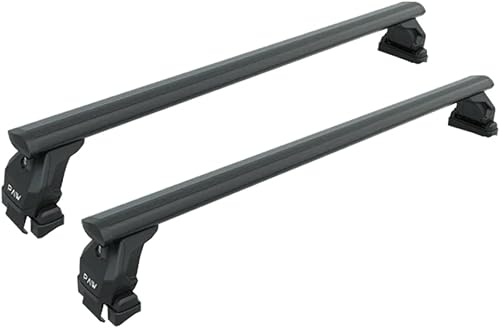
Auto Paw Roof Racks Cross Bars are built for drivers who need extra carrying space without turning their truck into a wind-whistling mess. Designed to fit Ford Maverick models, these aluminum cross bars sit clean on the factory roof rails and feel solid once locked down. They’re commonly used for roof cargo boxes, kayak carriers, bike racks, and even light-duty luggage baskets, making them a practical add-on for daily driving plus weekend hauling. The low-profile shape helps keep road noise in check, which matters more than people admit.
Installation is mostly straightforward and doesn’t require drilling, though lining everything up the first time can take a bit of patience. The lockable design adds a basic level of security, useful when you leave gear mounted overnight. Load capacity is suitable for outdoor gear and travel cargo, but this set is clearly aimed at light to moderate use, not heavy commercial loads. For Maverick owners wanting functional roof crossbars without paying premium-brand pricing, this option lands in a reasonable middle ground.
Pros
- Compatible with Ford Maverick roof rails
- Lightweight aluminum construction resists rust
- Lockable system for basic theft deterrence
- Works with kayak racks, bike mounts, and cargo boxes
- Clean, low-profile look on the roof
Cons
- Not meant for very heavy rooftop loads
- Initial alignment during install can be a little fiddly
- Locks are functional, not high-security grade
How to Choose the Cross Bars for Ford Maverick
Buying cross bars for a Ford Maverick feels way simpler than it actually is. You think, it’s just two metal sticks on the roof, how deep can this go. Then suddenly you’re reading load ratings at midnight, arguing with yourself about aluminum vs steel, and wondering if that faint whistle at 60 mph is normal or a personal insult. Been there. Still annoyed, honestly.
The Ford Maverick is small, clever, kind of scrappy. It pretends it’s simple, but it hides quirks. Roof rails, fixed points, naked roof setups, hybrid weight limits. All of it matters, even if people online pretend it doesn’t.
First, know what the Maverick roof can actually handle
Let’s get boring for half a second. The Ford Maverick roof load rating sits around 165 lbs dynamic. That means while driving, not parked. Static load is higher, but Ford doesn’t shout about that number. This includes the cross bars, cargo, racks, everything. Forget this and you’re already messing up.
A rooftop tent alone can weigh 120 lbs. Add cross bars at 15 to 20 lbs, you’re close to the edge before you even climb up. People ignore this then act shocked when the roof flexes. Metal doesn’t lie.
Side note, dynamic load matters more than Instagram photos.
Raised rails, fixed points, or naked roof confusion
Some Ford Maverick trims come with factory roof rails, some don’t. This changes everything.
Raised rails give you options. Clamp-style cross bars are easier, quicker, and usually cheaper. Fixed points are more secure but limit compatibility. Naked roof setups need vehicle-specific kits and those get annoying fast. Measure twice, swear once.
If your Maverick has rails, check if they’re flush or raised. Flush rails need specific feet systems. Raised rails are forgiving, like that friend who always helps you move but complains quietly.
Cross bar material, not just a flex
Aluminum bars are lighter and resist rust. Steel bars are cheaper and stronger in raw numbers. For the Maverick, aluminum usually makes more sense. You don’t want to waste weight capacity on the bars themselves.
Aerodynamic bars cost more, but they reduce drag and noise. Square bars howl like a sad flute at highway speed. I ignored this once. Drove 200 miles listening to what sounded like a mosquito with ambition. Never again.
Wind tunnel data from roof rack manufacturers shows aerodynamic bars can reduce wind noise by up to 50 percent compared to square bars. That’s not marketing fluff, your ears will notice.
Width matters more than people admit
Too narrow and your load wobbles. Too wide and you smack your head every time you load gear. The Maverick roof isn’t huge, so oversized bars look awkward and feel worse.
Most setups land around 50 to 55 inches wide. Wider isn’t always better. You’re not hauling plywood every day, probably. If you are, different conversation entirely.
What you plan to carry changes everything
Kayaks need spacing and overhang tolerance. Bikes need stability and compatibility with mounts. Cargo boxes need weight distribution and center alignment.
A roof box loaded unevenly can shift center of gravity just enough to make lane changes feel weird. Not dangerous, just unsettling, like the truck is thinking before responding.
Data from AAA shows rooftop cargo can reduce fuel efficiency by up to 25 percent depending on shape and speed. The Maverick hybrid crowd feels this especially. MPG drops hurt emotionally.
Locking systems and theft paranoia
Locking cross bars aren’t just for cities. Trailheads, hotel parking lots, even grocery store runs. A locked system buys peace of mind. Not total safety, but enough to sleep.
Cheap bars skip locking mechanisms. Then you’re trusting friction and hope. I don’t recommend hope as a security plan.
Install frustration and reality check
Some cross bars advertise “15 minute install.” That’s optimistic. Expect 30 to 45 minutes if you’re careful. Torque specs matter. Over-tightening can damage rails. Under-tightening invites movement.
Use a torque wrench if possible. Guessing feels fine until something shifts at 70 mph.
Noise, drag, and the small annoyances
Even good cross bars add noise. Fairings help. Placement helps more. Sliding the bars a few inches forward or backward can change airflow completely. There’s trial and error here, and patience.
You’ll think the noise is coming from the engine. It’s not. It’s the bars laughing quietly.
Price ranges and realistic expectations
Decent Ford Maverick cross bars land between $150 and $350. Below that, quality dips. Above that, you’re paying for brand confidence and finish. Sometimes worth it, sometimes not.
Higher-priced bars often come with better coatings, tighter tolerances, and less long-term rattle. That matters if you plan to keep the truck.
Final thoughts
Choosing cross bars for the Ford Maverick isn’t about buying the strongest or the most expensive option. It’s about matching roof limits, cargo needs, noise tolerance, and how much you hate reinstalling things.
Ignore the numbers and you’ll regret it. Overthink everything and you’ll never buy. Somewhere in the middle is the right answer, and it usually shows up after you’ve read one too many reviews and just want to load your gear and go.
