

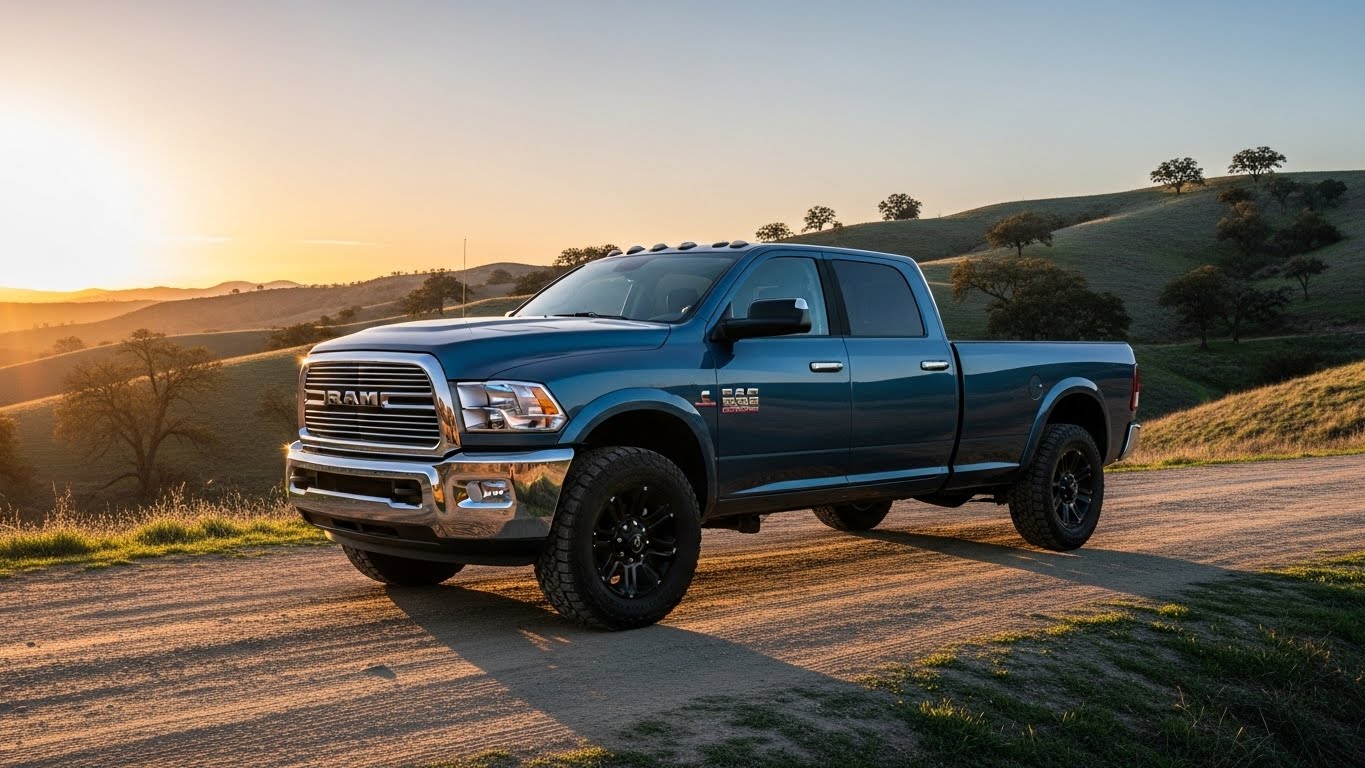
Heavy trucks don’t whisper when something’s wrong, they clunk, wobble, and eat tires for breakfast, and ball joints for Ram 2500 sit right at the center of that mess. You might feel it first in the steering wheel, a tiny shake that grows into “yeah, that’s not normal,” especially if you tow, plow, or just drive like the truck was meant to be driven. Stock parts wear out quicker than people admit, and cheap replacements usually regret you later, usually sooner. After digging through load ratings, real-world abuse stories, and how these things actually hold up under lifted or worked-hard setups, one option clearly comes out on top: the Kryptonite Upper & Lower Ball Joint Package. They’re built to survive weight, torque, and bad roads without begging for replacement every other year, which is kinda the whole point.
Best 5 Ball Joints for Ram 2500
01. Kryptonite Products Heavy Duty Replacement Upper & Lower Ball Joint Package
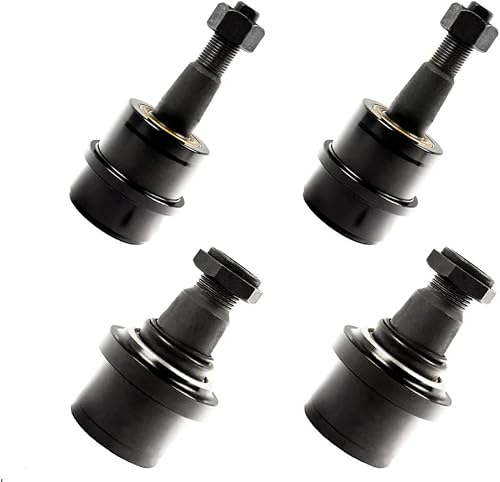
Kryptonite Products Heavy Duty Replacement Upper & Lower Ball Joint Package gives you a rugged pair of ball joints built to handle demanding driving on 4WD and AWD vehicles. These upper and lower ball joints are engineered with reinforced components to reduce premature wear, making them a common choice for truck and SUV owners looking to stabilize steering response and suspension performance. The package includes both sides, so you’re set up for a complete front-end refresh that helps cut down on uneven tire wear and sloppy steering feel. These ball joints fit many popular models and are a practical option if you’re repairing or upgrading your suspension system without spending big on dealer parts.
Installation is straightforward for someone familiar with front suspension work, and replacing worn ball joints can noticeably firm up handling and reduce clunking noises over bumps. The heavy-duty design stands up better than many OEM-style replacements, especially if you put a lot of miles on gravel roads or tow regularly. While they’re tough, like all suspension parts these ball joints will eventually wear, so keeping an eye on alignment and greasing intervals helps keep everything moving smoothly.
Pros
- Upper + lower ball joints in one complete kit
- Built for heavy duty use on trucks and SUVs
- Improved steering precision compared to old worn joints
- Helps reduce uneven tire wear
- Fits a range of common 4WD models
Cons
- Requires front suspension disassembly to install
- Not the highest-end performance variant
- Still wear over time under heavy loads
02. Detroit Axle – 4WD Front Ball Joints
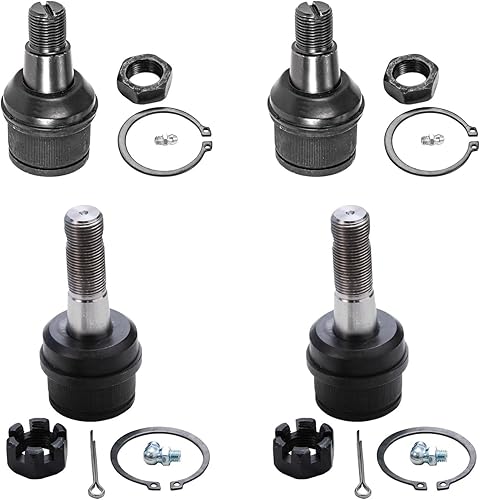
Detroit Axle – 4WD Front Ball Joints are budget-friendly replacements that serve well on everyday trucks and SUVs with 4WD systems. These ball joints aim to restore proper suspension geometry and steering feel when original joints get loose or noisy. Detroit Axle designs these with a basic yet effective construction that keeps costs down without sacrificing essential function. They’re a solid choice for owners doing routine maintenance or getting their ride ready for the next season of hauling or towing.
Installation on most 4WD front ends is pretty typical for ball joints — you’ll need tools to separate the old joints and press in the new ones. Once in place, they help tighten up steering wander and improve feedback through the wheel, especially noticeable if your old joints were worn. They’re not premium-grade but do the job well for everyday driving and moderate use.
Pros
- Affordable replacement for worn front ball joints
- Fits many 4WD trucks and SUVs
- Restores steering response and suspension integrity
- Good for routine maintenance
- Works with OEM-style hardware
Cons
- Basic construction isn’t for extreme duty
- Installation needs proper tools and mechanical skills
- Longevity varies with driving conditions
03. TRQ Front Upper and Lower Ball Joint Set

TRQ Front Upper and Lower Ball Joint Set offers a matched set built to bring worn suspension back into spec on trucks and larger SUVs. This pair of ball joints is designed to meet or exceed factory fitment, giving you confidence they’ll line up right and perform reliably through daily use. They’re often chosen by DIY mechanics and pros alike because they fit common model years without needing modifications, and help reduce shimmy or play in the front end once old, tired joints are removed.
These ball joints are tough enough for regular towing and heavier daily loads, helping keep your front suspension geometry tight and responsive. Once installed, drivers usually notice less steering slack and more predictable handling over rough surfaces. If your vehicle’s front end feels vague or makes noise going over bumps, replacing both upper and lower joints with a set like this TRQ option can make the front end feel solid again.
Pros
- Complete upper + lower ball joint set
- Designed for exact fit on compatible vehicles
- Improves steering precision and front suspension stability
- Good for trucks with towing or load duty
- OEM-style replacement quality
Cons
- Installation can be labor-intensive
- Not a heavy-duty racing performance set
- Requires proper tools for press-in fit
04. MotorbyMotor 4WD Front Upper & Lower Ball Joint

MotorbyMotor 4WD Front Upper & Lower Ball Joint set is built to handle rugged use on 4WD trucks and SUVs that see varied terrains and loads. These ball joints come pre-assembled, which helps cut down on install time compared to kits that need assembly from separate parts. Their design focuses on solid steering feel and durable operation, helping to reduce the typical clunking and wandering caused by worn front end connections.
Once fitted, this pair helps keep your suspension geometry in check and offers a more stable ride, especially if you’ve been noticing loose steering or excessive tire wear. MotorbyMotor’s approach balances cost and performance, making these ball joints a reasonable choice for those doing suspension overhaul work. They might not carry premium branding, but they serve well where reliability and fit matter most.
Pros
- Pre-assembled upper and lower ball joints
- Designed for 4WD trucks and SUVs
- Helps tighten steering feel
- Reduces front suspension play
- Balanced cost and performance
Cons
- Not as rugged as high-end aftermarket options
- Press-in installation still needed
- Long-term durability varies with use
05. MOOG K7467T006 Front Lower Suspension Ball Joint

MOOG K7467T006 Front Lower Suspension Ball Joint is a single lower ball joint built to meet rigorous standards expected by many truck and SUV owners. MOOG’s design focuses on durability and precise fit, offering a higher-quality replacement that helps front end stability and steering control feel more direct. This lower ball joint works well on vehicles that handle towing, hauling, and everyday driving, where worn suspension parts can cause wandering or uneven tire wear.
MOOG uses premium materials and tighter tolerances, which can make a noticeable difference once the new joint is installed. Drivers often report smoother handling and better road feedback, especially compared to worn factory joints. Because this is just the lower ball joint, pairing it with an upper joint at the same time is recommended for balanced suspension performance and longer overall life.
Pros
- Premium build quality from an established suspension brand
- Restores steering control and front end stability
- Works well under towing and load conditions
- Designed for a direct fit on compatible vehicles
- Helps reduce tire wear from sloppy suspension
Cons
- Only the lower joint — upper sold separately
- Higher price point than basic replacements
- Press-fit install still needed with correct tools
How to Choose The Best Ball Joints for Ram 2500
You don’t wake up one day thinking about ball joints for a Ram 2500. It sort of sneaks up. A clunk you pretend you didn’t hear. Steering feels off, but maybe the road is bad, you tell yourself. Then another noise. Then you start googling at 2:14 AM, half annoyed, half worried you’re gonna lose a wheel somewhere near a hardware store parking lot. That’s usually how this starts.
Finding the right ball joints for a Ram 2500 truck isn’t clean or logical, not really. It’s more like rummaging through a messy toolbox while arguing with your own confidence. You think you know trucks, then suddenly you’re second guessing model years and axle types like it’s a pop quiz you didn’t study for.
First, you gotta know what Ram 2500 you actually own
This part feels dumb, but it matters more than people admit. Ram 2500 isn’t just one thing. You’ve got different generations, different front suspensions, different axles. Solid front axle setups are common, especially on 4×4 models, but even then things change year to year. A 2006 truck does not behave like a 2016 one, no matter how similar they look parked side by side.
Some years use Dana 60 front axles, some use variations that change the taper size on the ball joint stud. Tiny difference, huge headache. I once ordered parts assuming all heavy duty Rams were the same. They were not. Box arrived, excitement died fast.
You should check:
- Model year, not approximate year, the exact one
- 2WD or 4WD, don’t guess
- Axle type if you can find it, sometimes stamped, sometimes buried in forums you barely trust
Yeah it’s boring, but skipping this step usually costs money, and patience, mostly patience.
Why ball joints on Ram 2500 fail sooner than you expect
Here’s the thing people don’t say out loud. Ram 2500 ball joints take a beating. Heavy front ends, diesel engines weighing a small planet, big tires because they look cool, towing loads that make the truck squat like it’s tired of life.
Some data that sticks in your head, from manufacturer bulletins and fleet maintenance reports. Stock ball joints on heavy duty pickups often start showing measurable wear between 80,000 to 120,000 miles under normal use. Add oversized tires or frequent towing, that number drops. Not crashes, just wear, slow and annoying.
And no, you don’t always feel it right away. Sometimes it’s subtle steering wander. Sometimes uneven tire wear that you blame on alignment, again. Then one day it’s loud enough that passengers ask what that noise was, and you pretend not to hear it, again.
Upper vs lower ball joints
This is where confusion sneaks in sideways. Upper ball joints and lower ball joints don’t do the same work. On many Ram 2500 setups, the lower joint carries most of the load. That means it usually wears faster. Not always, but often.
Some replacement kits include both uppers and lowers. Some don’t. People argue about replacing just the bad one. Personally, if one is gone, the other is tired, even if it’s pretending not to be. Labor is the same either way, and regret is expensive.
I’ve seen trucks where uppers looked fine, lowers were basically dust held together by hope. Seen the opposite too, though less common.
Greasable vs sealed
This topic gets weirdly emotional. Greasable ball joints let you add grease through a zerk fitting. Sealed ball joints don’t. One side says greasable lasts longer if you maintain it. The other says sealed keeps dirt out better and modern materials are enough.
Truth, boring truth. Greasable joints can last longer if you actually grease them. Many people don’t. They install them, feel proud, then forget about them for three years. Sealed joints are lower effort, but once they wear, that’s it.
Some fleet studies show greasable joints lasting 20 to 30 percent longer in high use trucks, but only with regular maintenance intervals. Without that, results flatten out. Nobody likes hearing that.
Aftermarket vs OEM style
OEM style ball joints are built to factory spec. Aftermarket options range from slightly better to massively overbuilt, depending who made them and what materials they used. You’ll hear words like heat treated steel, chromoly, induction hardened studs. Sounds impressive. Sometimes it is.
Heavy duty aftermarket joints often have:
- Larger bearing surfaces
- Improved dust boots
- Tighter tolerances out of the box
But not all aftermarket is better. Some cheap ones feel loose brand new. That’s not normal, despite what someone online might say.
Price doesn’t guarantee quality, but extremely low price is usually a warning sign. You feel it in your stomach when you see it, that little nope feeling.
Symptoms that actually mean ball joints, not something else
This matters because people replace parts chasing noises. Ball joint failure symptoms often include clunking over bumps, wandering steering, uneven front tire wear, and sometimes a popping sound when turning at low speed.
A little stat that’s useful. In shop diagnostics, ball joints are the confirmed cause of front end noise roughly one third of the time on heavy duty pickups. The rest is bushings, tie rods, wheel bearings, or all of them having a bad day together.
Jack the truck safely. Pry bar test. Look for vertical play, not just side to side. If the knuckle moves and you feel it through the bar, that’s not imagination.
Matching ball joints to how you actually use the truck
This part is honest, maybe uncomfortable. If your Ram 2500 tows heavy, runs larger tires, or sees off road use, standard replacement ball joints might not be enough long term. You don’t need race parts, but you do need something built for load.
If the truck mostly commutes, light hauling, stock tire size, then OEM style joints can last just fine. Overbuilding for bragging rights doesn’t always pay off.
I’ve overbuilt before. Felt smart. Wallet disagreed.
Installation realities nobody likes to mention
Ball joints on a Ram 2500 are not a casual afternoon job for everyone. Pressing them in and out requires tools, patience, and sometimes colorful language. Improper installation ruins even the best joint fast.
Torque specs matter. Clean bores matter. Alignment after matters. Skipping alignment is like buying new shoes and refusing to tie them.
Shops report a noticeable percentage of early failures traced back to installation error, not part quality. That’s frustrating, because the joint gets blamed anyway.
Final thoughts
Finding the right ball joints for a Ram 2500 is less about brand loyalty and more about knowing your truck, your habits, and your tolerance for future annoyance. You balance cost, effort, longevity, and how much you trust yourself to grease something regularly.
You’ll second guess the choice after ordering. Everyone does. Then you install them, drive a bit, and the steering feels tight again. That’s the moment you remember why you bothered. For a while, at least, until the next noise shows up from somewhere else entirely.
Trucks age. Parts wear. You just try to stay one clunk ahead.
