
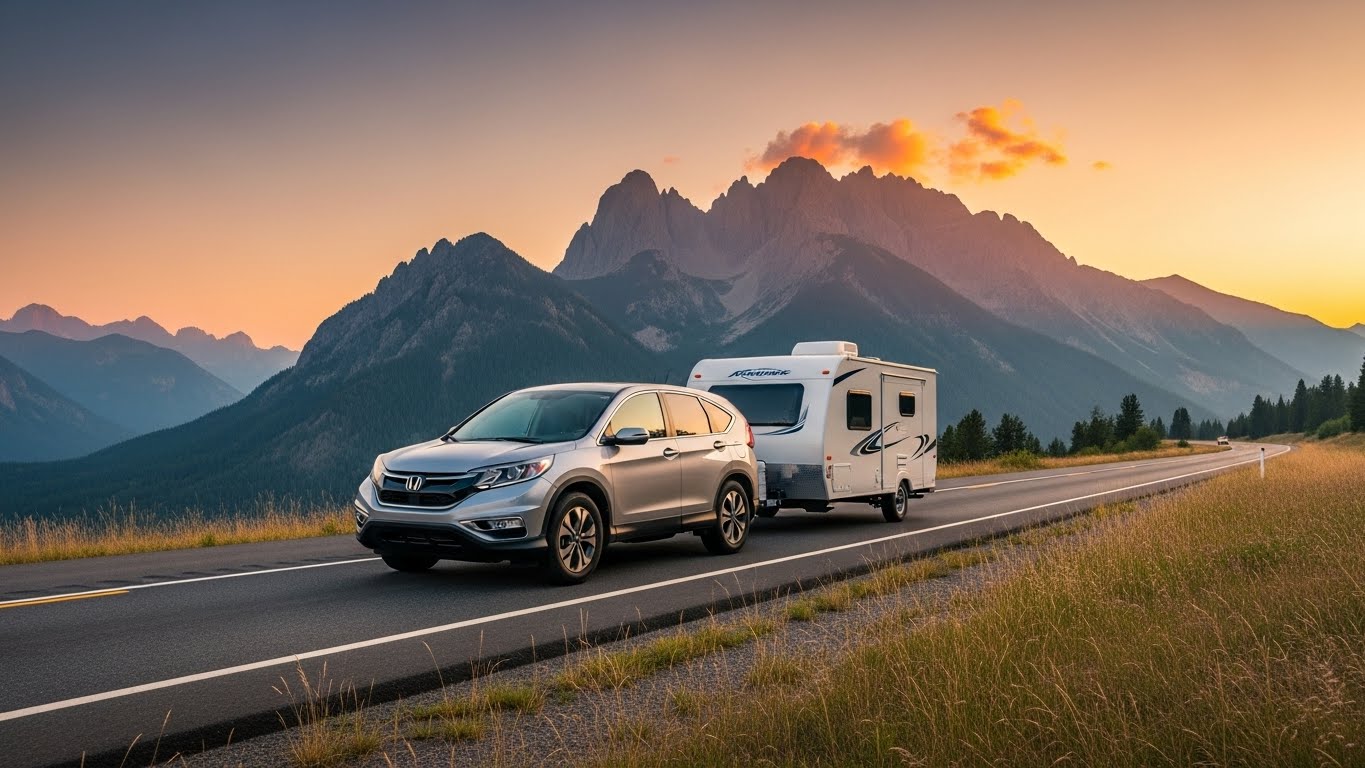
Finding the best trailer hitch for Honda CRV usually starts calm and then turns mildly annoying, because everything sounds “heavy-duty” until you actually try towing. You want something that fits clean, doesn’t scrape on driveways, and won’t make the rear of your CRV feel off-balance when you load it up. The hitch also needs to play nice with factory mounting points, otherwise the install becomes a weekend regret. After sorting through real-world towing use, install quirks, and long-term durability chatter, one option clearly holds its ground as the safest pick for most CRV owners—the Nilight Class 3 Trailer Hitch 2 Inch Receiver. It fits like it was meant to be there, handles light towing without drama, and doesn’t overcomplicate what should be a simple upgrade.
Best 5 Trailer Hitches for Honda CRV
01. Nilight Class 3 Trailer Hitch 2 Inch Receiver

Nilight Class 3 Trailer Hitch 2 Inch Receiver is built for drivers who want a straightforward towing setup without overcomplicating things. This hitch uses solid steel construction with a black powder-coated finish that helps protect against rust, road salt, and general wear. It’s designed to handle everyday towing needs like utility trailers, bike racks, cargo carriers, and small campers, making it a practical choice for light trucks and SUVs that see mixed daily use and weekend hauling.
Fitment is vehicle-specific, and installation is typically bolt-on using factory mounting points. Once installed, the 2-inch receiver offers good compatibility with most Class 3 towing accessories, including ball mounts and hitch-mounted cargo trays. It’s not built for extreme towing scenarios, but for standard loads, it feels stable and dependable.
Pros
- 2-inch receiver fits most Class 3 accessories
- Powder-coated steel helps resist corrosion
- Suitable for cargo carriers, bike racks, and trailers
- Straightforward bolt-on installation
- Clean, low-profile appearance
Cons
- Not intended for heavy commercial towing
- Vehicle compatibility must be double-checked
- Instructions can be basic
02. CURT 13397 Class 3 Trailer Hitch

CURT 13397 Class 3 Trailer Hitch is aimed at drivers who want proven towing hardware with consistent build quality. Made from high-strength steel, this hitch is commonly used for towing small boats, utility trailers, and hitch-mounted accessories like cargo baskets. The gloss black finish helps it blend in under the rear bumper while offering decent resistance against moisture and road grime.
The hitch is engineered for a precise fit on supported vehicles, which helps reduce install time and alignment issues. Once mounted, the receiver feels rigid and well-supported, even when loaded near its rated capacity. This is a solid option for people who tow regularly but don’t need a full towing upgrade.
Pros
- Strong steel construction with reliable welds
- Compatible with most 2-inch hitch accessories
- Vehicle-specific design improves fit
- Suitable for towing and accessory mounting
- Durable surface coating
Cons
- Heavier than some competing hitches
- Installation may require an extra set of hands
- Not designed for extreme off-road towing
03. Draw-Tite 76128 Class 3 Trailer Hitch

Draw-Tite 76128 Class 3 Trailer Hitch focuses on strength and clean integration with the vehicle frame. Built with reinforced steel tubing, this hitch handles common towing tasks such as camping trailers, jet ski trailers, and rear cargo racks without flexing under load. The 2-inch receiver opening keeps it compatible with a wide range of towing and hauling accessories.
Installation is usually bolt-on, but the hitch’s weight means careful positioning matters during mounting. Once secured, it sits tight against the frame and doesn’t rattle during normal driving. It’s well suited for drivers who want a sturdy, long-term towing solution rather than a lightweight add-on.
Pros
- Reinforced steel design for stable towing
- 2-inch receiver supports common hitch gear
- Good fitment for vehicle-specific applications
- Works well for trailers and cargo carriers
- Solid, no-flex feel once installed
Cons
- Heavier than entry-level hitches
- Install can be awkward without help
- Appearance is more functional than stylish
04. Reese 84128 Class 3 Trailer Hitch
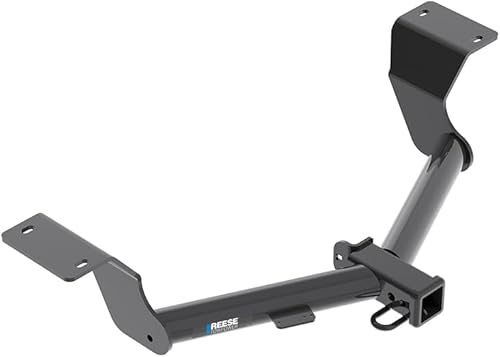
Reese 84128 Class 3 Trailer Hitch is designed for everyday towing with a balance of strength and practicality. The hitch uses welded steel construction and a corrosion-resistant coating to hold up against road spray and seasonal weather. It’s commonly used for bike racks, ball mounts, and light towing setups, making it a flexible option for SUVs and pickup trucks.
The receiver opening is cleanly finished, which helps accessories slide in without fighting tight tolerances. Once installed, the hitch stays quiet and stable, even when carrying hitch-mounted gear over rough pavement. It’s a dependable choice for drivers who want functionality without overengineering.
Pros
- Durable steel construction
- Smooth 2-inch receiver fit
- Works with towing and cargo accessories
- Stable under normal driving conditions
- Clean mounting design
Cons
- Limited appeal for heavy towing demands
- Vehicle-specific fitment must be confirmed
- Basic hardware quality
05. VEVOR Class 3 Trailer Hitch
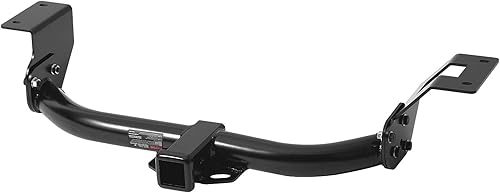
VEVOR Class 3 Trailer Hitch is geared toward budget-minded drivers who still need dependable towing capacity. Built from thick steel with a black protective coating, this hitch supports common uses like cargo baskets, bike carriers, and small utility trailers. The 2-inch receiver keeps it compatible with most standard hitch accessories on the market.
Installation is generally straightforward on supported vehicles, though fitment tolerances can vary slightly depending on model year. Once mounted, it performs well for everyday hauling and occasional towing tasks. This hitch makes sense for drivers who want usable towing strength without paying for brand premiums.
Pros
- Affordable Class 3 towing solution
- Steel construction with protective coating
- 2-inch receiver fits common accessories
- Suitable for light trailers and carriers
- Practical for occasional towing
Cons
- Finish quality may vary
- Not intended for high-stress towing
- Instructions may lack detail
How to find the Best Trailer Hitches for Honda CRV
You sit there staring at the back of your Honda CR-V, coffee gone cold, wondering why a metal square bolted underneath can feel so complicated. Trailer hitches sound simple. They are not, and you already know this, because someone once told you “any hitch fits” and that person never towed anything heavier than ego. Your Honda CRV trailer hitch choice matters more than it should, and less than forums make it seem, both true at same time.
You want to haul bikes. Or a small camper. Or maybe just a utility trailer full of mulch that smells like regret. Either way, the back of your CRV needs to be ready, and your brain is already tired.
First thing your brain skips but should not
You probably jump straight to brands. Pause. The Honda CR-V towing capacity changes by year, drivetrain, engine. Most recent CRV models are rated around 1500 pounds max towing, tongue weight often capped near 150 pounds. Older AWD versions sometimes feel stronger but the numbers still sit close. These are manufacturer limits, not suggestions scribbled on napkin.
What this means, in messy real life, is you are not buying a hitch for a boat bigger than your car. If someone online says they did it anyway, they did, and also they might not be honest about how that ended. Numbers matter, even if they feel boring.
Payload matters too. People forget. You load gear, cooler, dog, dog food, second cooler, then hitch weight stacks on top. The CRV suspension notices, even if you pretend not to.
Class ratings and the square hole obsession
Most trailer hitches for Honda CRV fall into Class I or Class III. This sounds dramatic but it’s mostly about receiver size and rating. Class I usually means 1.25 inch receiver, lower capacity, fine for bike racks and small cargo trays. Class III jumps to 2 inch receiver, stronger steel, more flexibility, more accessories exist for it.
Here’s the quiet part people argue about. Even if your CRV towing limit is 1500 lbs, a Class III hitch does not magically raise that number. It just means the hitch itself is not the weak link. Overkill is sometimes peace of mind. Sometimes it is just heavier metal you bonk your shin on. Both can be true.
You will read someone saying Class III is pointless on CRV. You will read another saying Class I is a waste. Neither of them is you. Think about future you. Bikes today. Maybe small teardrop tomorrow. Or maybe never. Still you think about it.
Bolt on, weld on, swear words involved
Most modern Honda CRV hitch receivers are bolt on. No welding. This is good news. Installation usually uses existing holes in the frame. Torque wrench matters here, not optional. People skip torque specs, then complain about rattling noises like ghosts under the bumper.
Install time varies. Some folks finish in 45 minutes. Others take an afternoon and invent new curse words because one bolt cross threaded and now the universe feels personal. Expect exhaust to be lowered temporarily. It is not falling off, it just feels like it is.
If you are not the DIY type, shops charge labor that varies wildly. This is not because it is hard, but because pricing is weird. Ask before, not after.
Wiring harness thoughts you forget until too late
You buy the hitch. You feel proud. Then you remember lights. Trailers need signals. Honda CR-V wiring harness options are usually plug and play, tapping into tail light connectors. This part matters more than people admit. Bad wiring causes flickering lights, warning messages, or nothing at all when you need brake lights most.
4 pin flat connectors cover most small trailers. If you think you need 7 pin, pause again. CRV is not a heavy tow vehicle. Be honest with yourself. Future you will thank you or curse you.
Ground clearance, because parking lots exist
A hitch hangs low. Some hang lower than others. This matters when you exit steep driveways or park over those concrete things no one sees. Scraping once is funny. Scraping daily becomes personal feud.
Look at hitch design. Some tuck closer to bumper. Some sit lower for strength. There is no perfect answer, only trade offs. If you drive forest roads, clearance matters. If you live in city with weird ramps, clearance matters differently.
How you actually choose without losing mind
You match hitch class to what you realistically do, not what forums flex about. You check tongue weight, not just max tow rating. You think about clearance because your driveway is annoying. You plan wiring early. You accept that installation takes longer than videos show.
You also accept that there is no single best hitch for everyone. There is best for you, this year, with your habits, your weird parking spot, your future plans that may or may not happen.
You will still second guess after buying. That is normal. Then you tow something small, feel the pull, feel the weight, and suddenly the choice feels fine. Not perfect. Just fine. And fine is sometimes the win you were looking for all along.
