
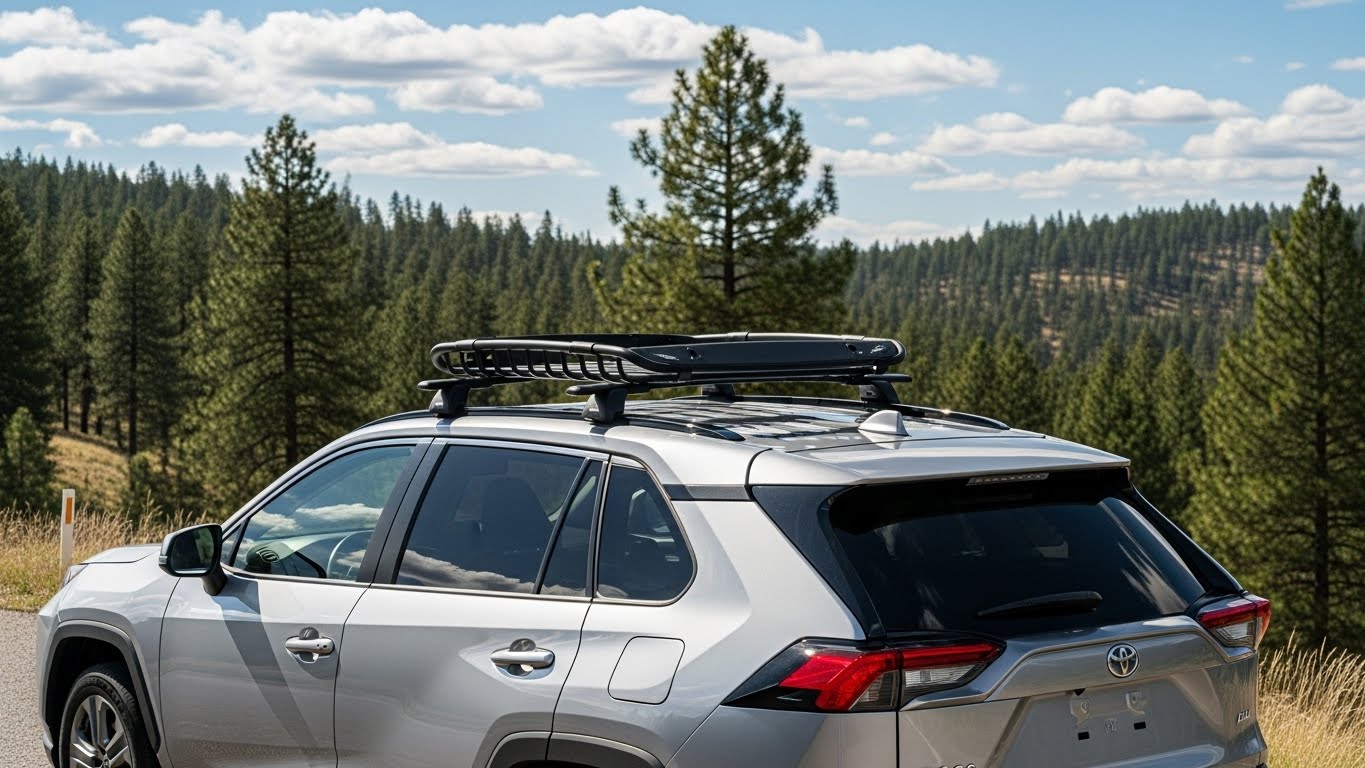
Finding the right roof rack cross bars for Toyota RAV4 isn’t as clean as it sounds, and you notice that fast once you start measuring roof width, checking weight limits, then doubting all of it again. You want something that locks in tight, stays quiet on highways, and doesn’t make your RAV4 feel top-heavy every time the wind shifts a little sideways. After filtering through load ratings, fit notes, and real-world install headaches, one option keeps coming back as the most reliable choice for balance, strength, and long-term use. The FLYCLE 300LBS Roof Rack Cross Bars stands out as the best pick if you want solid mounting, low wind noise, and cross bars that don’t feel temporary or flimsy once they’re up there.
Best 5 Roof Rack Cross Bars for Toyota Rav4
01. FLYCLE 300LBS Roof Rack Cross Bars
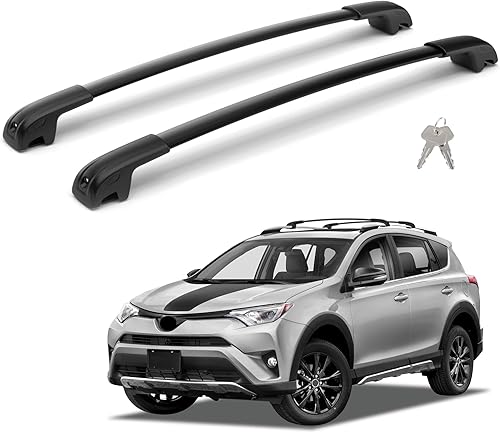
The FLYCLE 300LBS Roof Rack Cross Bars are built for drivers who actually use their roof, not just look at it. With a claimed 300-lb load capacity, these aluminum crossbars handle gear like kayaks, roof cargo boxes, bike racks, snowboards, and rooftop carriers without feeling sketchy at highway speeds. The low-profile aerodynamic shape helps cut wind noise compared to square bars, and the locking mounts add a bit of theft resistance when the vehicle is parked outside overnight.
These cross bars are vehicle-specific, designed to mount clean on factory side rails without drilling. Installation is mostly bolt-on, using included hardware and rubber padding to protect the roof rails. For road trips, camping setups, or daily hauling, they do the job fine, though heavy users may notice limits if pushing the max rating often or running oversized cargo baskets.
Pros
- Rated for up to 300 lbs, suitable for kayaks, bikes, and roof boxes
- Lightweight aluminum construction with rust resistance
- Locking system helps reduce casual theft
- Aerodynamic design helps limit wind drag and whistling
- Compatible with common roof rack accessories and carriers
Cons
- Vehicle compatibility is limited to specific model years
- Locks are basic, not high-security grade
- Instructions could be clearer for first-time installs
- Not ideal for constant heavy commercial use
02. KINGGERI Lockable 260lbs Roof Racks Cross Bars
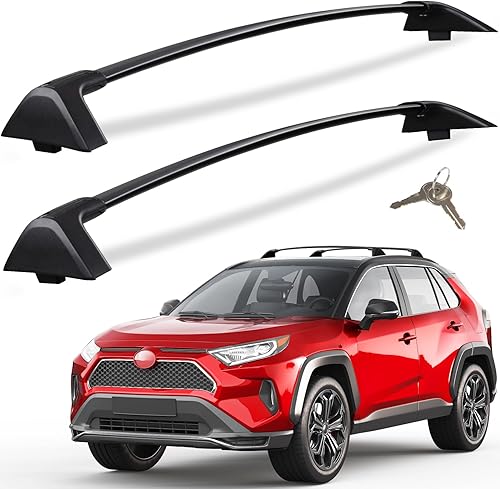
The KINGGERI Lockable 260lbs Roof Racks Cross Bars are built for drivers who actually load their roof, not just for looks. These aluminum roof rack cross bars clamp onto factory raised side rails and feel solid once tightened down. With a rated load capacity up to 260 lbs, they’re commonly used for roof boxes, cargo baskets, bike racks, ski carriers, and kayak mounts. The low-profile shape helps keep wind noise under control at highway speeds, and the anti-theft lock cores add some peace of mind when the vehicle is parked outside overnight.
Installation is fairly straightforward and doesn’t require drilling, which makes these cross bars popular for daily drivers that also double as weekend haulers. The black powder-coated finish resists rust and road salt, useful for long-term use in mixed climates. They work best on vehicles with raised roof rails from select 2019–2023 models, so fitment should always be checked before ordering. For the price range, they cover the basics well, though they aren’t trying to compete with premium OEM systems.
Pros
- High 260 lb load rating for cargo boxes, rooftop carriers, and outdoor gear
- Lockable design helps reduce theft risk
- Aluminum construction with corrosion-resistant coating
- No-drill installation on raised roof rails
- Compatible with many roof rack accessories like bike and kayak mounts
Cons
- Not compatible with flush or naked roof setups
- Lock cores are functional but feel basic
- Instructions could be clearer for first-time installs
- Wind noise can increase if bars are mounted too far forward
03. Autekcomma Roof Rack Cross Bars

The Autekcomma Roof Rack Cross Bars are built specifically for Toyota RAV4 (2019–2024) models with factory side rails, giving them a snug, OEM-style fit that doesn’t feel like an afterthought. These aluminum crossbars support common rooftop gear like kayak carriers, roof cargo boxes, bike racks, and even light-duty luggage baskets. The low-profile shape helps cut down wind noise compared to older square bars, and the lockable mounts add a bit of peace of mind when the vehicle is parked overnight or left at trailheads.
Install is fairly straight-forward, no drilling or weird mods needed, which makes them popular with RAV4 owners who want something functional without paying full OEM pricing. Load capacity works well for camping gear, skis, snowboards, and weekend hauling, though weight distribution still matters. For daily drivers who occasionally haul outdoor gear, these cross bars hit a practical middle ground between budget racks and factory Toyota crossbars.
Pros
- Designed specifically for Toyota RAV4 2019–2024 with raised side rails
- Aluminum construction keeps weight down while staying sturdy
- Locking system helps deter casual theft
- Works with roof boxes, kayak racks, bike mounts, and ski carriers
- Cleaner, factory-style look compared to universal crossbars
Cons
- Not compatible with flush rail or naked roof RAV4 setups
- Load rating is lower than heavy-duty aftermarket roof rack systems
- Lock cores are basic, not high-security grade
- Instructions could be clearer for first-time installs
04. JOYTUTUS Roof Rack Cross Bars

JOYTUTUS Roof Rack Cross Bars are built for drivers who actually use their roof, not just look at it. Designed to fit select 2013–2018 vehicles with factory side rails, these aluminum cross bars handle everyday hauling like kayaks, snowboards, cargo boxes, bikes, and roof bags without making the car feel top-heavy. The low-profile shape helps keep wind noise down on highways, and the anti-rust coating matters if you deal with rain, snow, or salty winter roads. Install is straightforward, no drilling, and the clamps lock down tighter than expected for this price range.
On longer drives, the bars stay planted even with uneven loads, which makes them practical for road trips and weekend gear runs. They work well with common roof rack accessories, including ski carriers and rooftop cargo carriers. While not meant for extreme overloading, they suit daily transport needs and outdoor use pretty well. For compact SUVs and crossovers, this set hits a balance between cost, strength, and usability without feeling flimsy.
Pros
- Aluminum construction with anti-rust finish for all-weather use
- Compatible with many 2013–2018 vehicles using factory side rails
- Supports kayaks, skis, snowboards, cargo boxes, and bike racks
- Tool-friendly installation, no vehicle modification needed
Cons
- Not compatible with vehicles lacking side rails
- Weight capacity lower than some premium roof rack systems
- Fit can feel tight on certain rail shapes, needs careful alignment
05. BrightLines Aero Roof Rack Cross Bars
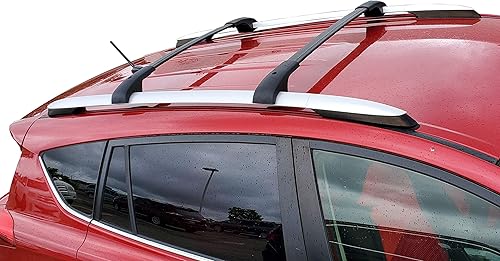
The BrightLines Aero Roof Rack Cross Bars are built for drivers who need a simple, no-nonsense roof rack setup without paying luxury-brand pricing. Designed specifically for Toyota Highlander models from 2013 to 2018, these aerodynamic cross bars mount directly onto the factory side rails, keeping fitment clean and secure. The aluminum construction helps manage weight while still handling everyday cargo like kayaks, roof boxes, luggage carriers, bikes, and snowboards. Road noise stays fairly controlled thanks to the low-profile aero shape, though you’ll still hear some wind at higher highway speeds.
For daily use, these BrightLines crossbars for Toyota Highlander work well for families, road trips, and weekend hauling. Installation is mostly straightforward and doesn’t require drilling, which is a big plus for owners who don’t want permanent changes. Load capacity is suitable for most rooftop accessories, but heavy overlanding setups may be pushing it. Overall, it’s a practical option if you want reliable roof rack cross bars that match factory rails and handle common cargo needs.
Pros
- Vehicle-specific fit for Toyota Highlander 2013–2018
- Lightweight aluminum build helps reduce roof load stress
- Aero profile limits excessive wind noise compared to square bars
- Works with roof cargo boxes, kayak racks, bike mounts, and ski carriers
- Straightforward installation using factory side rails
Cons
- Not intended for very heavy or commercial rooftop loads
- Some wind noise still present at higher speeds
- Limited compatibility outside listed Highlander model years
How to Choose The Cross Bars for Toyota RAV4
Buying cross bars for a Toyota RAV4 sounds like a five minute decision. It isn’t. It turns into one of those things where you sit in your driveway staring at the roof, coffee going cold, wondering why metal sticks cost this much and why everyone online is arguing like it’s politics. You just wanted to carry a kayak, or a cargo box, or maybe that weird ladder you swear you’ll use again.
First, look at the roof like it’s suspicious
Not every Toyota RAV4 roof is the same, even when they look identical from 15 feet away. Some trims come with factory roof rails, others don’t. Some rails are raised, others are flush like they’re trying to hide. This matters more than people admit. Cross bars designed for raised rails won’t clamp right onto flush rails without adapters, and adapters feel like promises waiting to be broken.
RAV4 models from 2019 onward usually have flush rails on higher trims. Older ones, like 2013 to 2018, lean toward raised rails. If you guess wrong here, you’re returning a very large box and pretending you didn’t open it.
Weight ratings, the numbers people read but don’t respect
Cross bars come with load ratings, usually between 100 lbs and 165 lbs dynamic load. Dynamic means driving. Static load is higher, but that’s for parked stuff like rooftop tents. Toyota itself rates the RAV4 roof around 165 lbs while driving. That includes the bars plus whatever you throw on top. People forget that part.
So if your cross bars weigh 12 lbs and your cargo box is 40 lbs, you’ve already eaten half the limit before loading anything inside. I once watched a guy load concrete bags onto his RAV4 roof. The car looked sad. The bars survived, but the roof didn’t love it.
Aerodynamics, or why your car suddenly whistles
Some cross bars are shaped like airplane wings. Others look like square fence posts. Guess which ones howl at 60 mph. Wind noise isn’t just annoying, it’s fatiguing. Studies on roof accessories show aerodynamic bars can reduce drag-related noise by 30 to 40 percent compared to square bars.
And fuel economy takes a hit too. AAA testing found roof racks and cargo boxes can reduce MPG by 2 to 8 percent, depending on shape and speed. That doesn’t sound huge until you drive long distances and watch the fuel gauge sink faster than expected.
Clamp-on vs fixed mounting, a quiet argument
Clamp-on cross bars grip the rails. Fixed mounting bars bolt into pre-set points. Clamp-ons are flexible and easier to install, but they rely on tension and friction. Fixed mounts feel more solid, but you’re locked into specific spacing.
If you carry bikes, kayaks, or a cargo basket, clamp-ons are fine. If you’re thinking rooftop tent someday, fixed mounting starts to make sense. It’s one of those decisions you don’t realize matters until three years later when your hobbies shift.
Materials, aluminum vs steel, and the rust paranoia
Most RAV4 cross bars are aluminum. Lighter, corrosion-resistant, easier to lift when you inevitably take them off. Steel bars are stronger in theory, but heavier and more prone to rust if coatings chip. Aluminum also flexes less under load, which matters when you hit potholes.
Road salt eats cheap coatings alive. If you live anywhere near snow, budget bars can start bubbling rust within two winters. That’s not drama, it happens.
Security, because people steal weird things
Locking cross bars matter more than people think. Thieves don’t just steal cargo boxes. They steal the bars themselves. Lock cores aren’t foolproof, but they slow things down. Most theft is lazy. If it takes more than 30 seconds, they move on.
I had a friend lose his bars in a grocery store parking lot. They took the bars and left the bike rack sitting there, like a weird joke.
Installation, the part that decides your mood
Some cross bars claim “10 minute install.” That’s optimistic. Realistically, plan 30 to 60 minutes, especially if it’s your first time. Torque matters. Over-tighten and you risk denting rails. Under-tighten and the bars shift under load.
Pro tip people never tell you: re-check torque after the first long drive. Metal settles. Rubber compresses. Things loosen quietly.
What are you actually carrying, be honest
Kayaks need bar spread. Cargo boxes want specific spacing. Bike racks don’t care much. Skis and snowboards prefer wider stances. Choosing bars without thinking about accessories leads to weird compromises later.
Most accessories assume a 2 to 3 foot bar spread. Some factory setups limit you to less. That’s fine for luggage, less great for long kayaks. Measure before buying.
Brand obsession, slightly justified but exaggerated
Big names exist for a reason. They test. They warranty. They fit better out of the box. But mid-range brands often share factories and materials. The difference is usually in clamps, locks, and finish quality.
Paying more doesn’t always mean stronger, it often means quieter and easier to live with. That matters when you drive every day.
Final thought
Choosing cross bars for a Toyota RAV4 isn’t about finding the best thing ever. It’s about avoiding regret. Wrong rail type, wrong load rating, annoying noise, rust creeping in after one winter. Cross bars are boring until they fail, and then they’re suddenly very exciting in the worst way.
